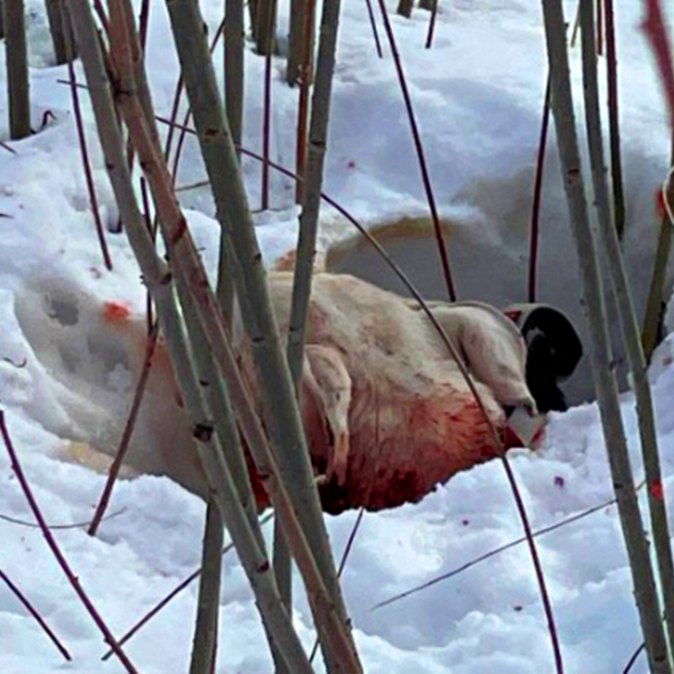
Late on a freezing winter night in Minnesota, police officers were already navigating a dangerous situation. A stolen truck raced down Interstate 694 at high speed while deputies pursued the suspects through the darkness. The tension was intense, and officers feared the individuals inside the vehicle might be armed.
Then something unexpected happened.
A white shape suddenly flew from the moving truck and struck the pavement. At first, deputies could not tell what they had seen. In the chaos of the chase, it appeared to be debris tossed from the vehicle. Only later, after reviewing dashcam footage, did investigators uncover the heartbreaking truth.
It was a puppy.
That puppy would later be known as Taho, a young pit bull whose story captured national attention and sparked conversations about animal welfare, trauma, rehabilitation, and the emotional bond between humans and dogs.
While Taho’s story is deeply emotional, it also raises important questions about how animals are treated, how trauma affects behavior, and what science tells us about recovery after severe neglect and abuse.
The Night Taho Was Found
In February 2023, deputies from the Ramsey County Sheriff’s Office were pursuing suspects connected to serious criminal activity in Arden Hills, Minnesota. According to reports, the suspects were driving recklessly and even traveled the wrong direction on the interstate during the pursuit.
During the chase, officers saw something thrown from the vehicle. Because visibility was poor and the situation remained dangerous, deputies continued pursuing the suspects before returning to investigate what had been discarded.
The following morning, officers made a remarkable discovery.
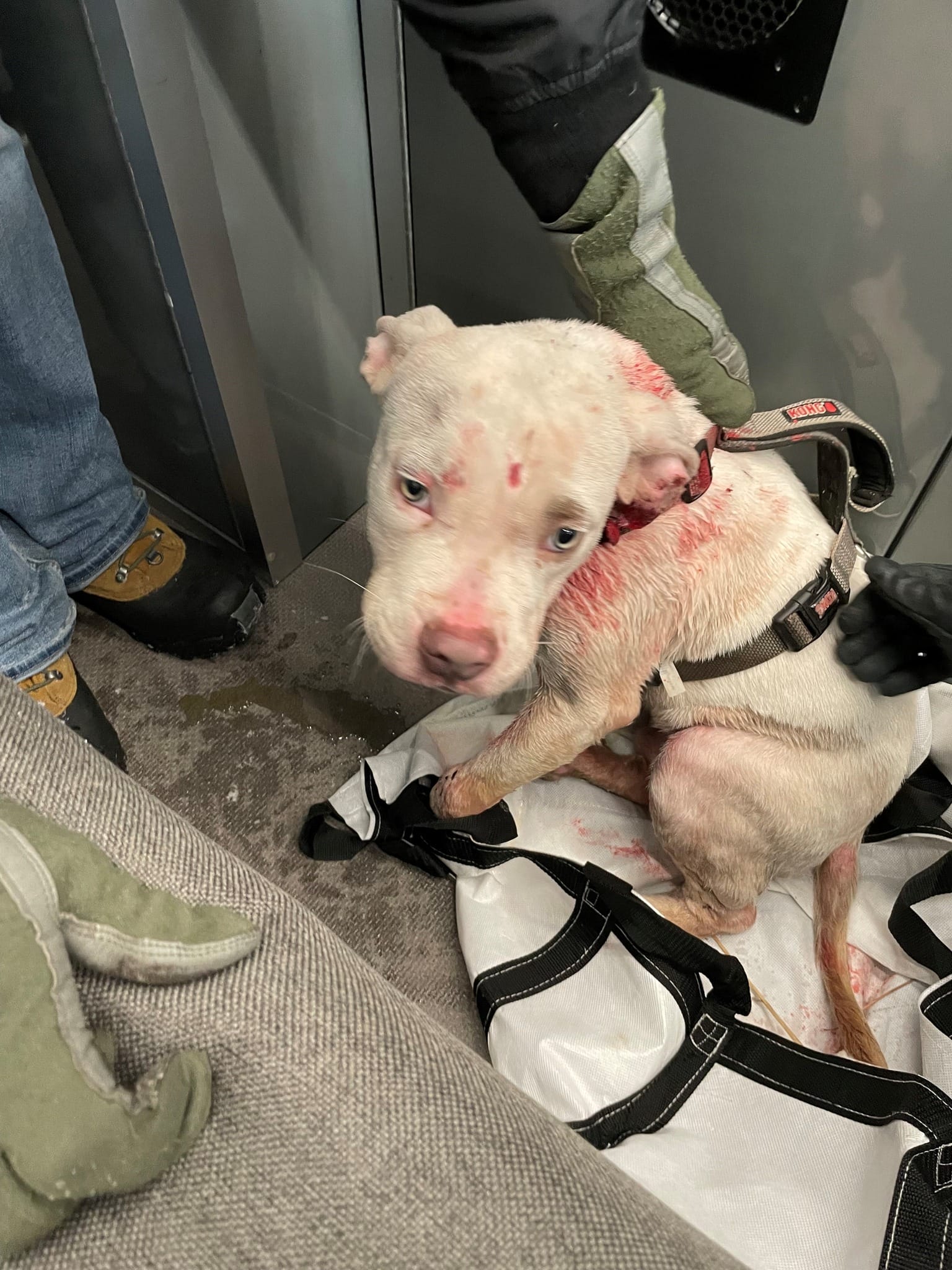
Curled up on a snowbank was the puppy they feared had not survived. Injured, cold, and frightened, Taho was somehow still alive. Despite suffering significant injuries, officers later described him as friendly and eager for affection.
The story quickly spread across social media and news outlets, with many people moved by the dog’s resilience and apparent trust in humans despite his ordeal.

Why Animal Rescue Stories Affect People So Deeply
Stories involving rescued animals often resonate emotionally because humans naturally connect with vulnerable creatures. Dogs, in particular, occupy a special role in many societies around the world.
For thousands of years, dogs have lived alongside humans as companions, working animals, guardians, and family members. Their loyalty and social intelligence have helped create one of the strongest interspecies bonds in human history.
When people hear stories like Taho’s, they often project emotions such as hope, courage, and innocence onto the animal. These emotional responses can inspire widespread support, fundraising efforts, and public discussions about responsible pet care.
Psychologists suggest that rescue stories may also reflect broader human values about compassion, protection, and second chances.
The Science of Trauma in Animals
Although many rescued animals recover successfully, veterinarians and animal behavior experts acknowledge that severe trauma can leave lasting psychological effects.
Dogs exposed to chronic neglect, fear, instability, or harsh treatment may develop behavioral problems rooted in anxiety and stress. These responses are not signs of “bad” animals but rather survival adaptations formed through difficult experiences.
Research in animal behavior shows that trauma can affect how dogs respond to people, environments, sounds, and unfamiliar situations. Some dogs become fearful and withdrawn, while others may react unpredictably when stressed.
Experts believe early life experiences play a critical role in shaping canine behavior. Puppies learn social trust and emotional regulation during developmental stages, and prolonged instability can interfere with that process.
In Taho’s case, reports suggested he had endured severe mistreatment before being rescued. Despite extensive rehabilitation efforts, his emotional wounds proved far more difficult to heal than his physical injuries.
The Challenges of Behavioral Rehabilitation
Animal rescue organizations often work tirelessly to rehabilitate traumatized dogs. Behavioral specialists use structured training, safe environments, and positive reinforcement to help fearful animals regain confidence.
Many dogs improve significantly over time, especially when paired with experienced caregivers and stable routines. However, rehabilitation outcomes can vary depending on the severity of trauma, genetics, socialization history, and neurological development.
Behavioral rehabilitation requires patience, consistency, and careful observation. Specialists typically focus on reducing fear responses while building positive associations with people and environments.
In some cases, dogs may continue struggling despite intensive support. Experts stress that this reality does not mean rescue efforts failed. Instead, it reflects the complexity of animal psychology and the long-term effects severe trauma can create.
Taho reportedly moved through multiple foster placements while receiving behavioral care. Unfortunately, his anxiety and reactivity became increasingly difficult to manage safely.
Public Conversations About Pit Bulls and Misunderstanding
Taho’s story also reignited debates surrounding pit bulls and public perception of certain dog breeds.
Animal experts frequently caution against making broad assumptions about breed behavior. Temperament is influenced by many factors including training, socialization, genetics, environment, and treatment by humans.
Many pit bulls live peacefully as affectionate family pets. However, dogs subjected to fear, neglect, or unstable conditions may develop behavioral issues regardless of breed.
Organizations focused on animal welfare encourage evaluating dogs individually rather than relying on stereotypes. They also emphasize the importance of responsible ownership, early training, and humane treatment.
Stories like Taho’s remind the public that behavior is often shaped by experience rather than simple breed identity.
Why Some Rescue Cases Become Symbolic
Certain rescue stories gain widespread attention because they symbolize larger social concerns. Taho’s journey became more than the story of one injured dog. For many people, it represented the broader issue of animal cruelty and the importance of compassionate intervention.
Rescue organizations, veterinarians, foster caregivers, and law enforcement officers often work together in emotionally demanding situations to protect vulnerable animals.
The public response to Taho showed how deeply communities care about animal welfare. Donations, messages of support, and media coverage reflected a shared desire to see neglected animals receive care and safety.
These moments can also inspire people to adopt pets responsibly, support shelters, volunteer, or learn more about humane animal treatment.
The Difficult Reality of Severe Behavioral Trauma
One of the most emotional parts of Taho’s story involved the difficult decision made after rehabilitation efforts proved unsuccessful.
Veterinary professionals and rescue organizations sometimes face heartbreaking choices when an animal’s fear and behavioral instability create ongoing safety concerns and severe emotional distress for the animal itself.
Animal welfare experts emphasize that such decisions are never made lightly. Extensive evaluations, medical examinations, and behavioral assessments are typically conducted before determining whether rehabilitation remains possible.
Reports indicated that Taho underwent neurological testing and specialized care, but his trauma-related behaviors continued escalating despite intervention.
Professionals involved in these situations often describe them as emotionally devastating because rescuers form strong bonds with the animals they attempt to help.
The Emotional Weight Carried by Rescuers
Animal rescue workers frequently experience emotional fatigue due to the difficult situations they encounter. Caring for injured or traumatized animals requires both physical effort and emotional resilience.
Veterinarians, foster caregivers, shelter staff, and behavioral specialists often invest enormous time and compassion into rehabilitation cases. Success stories bring joy, but challenging outcomes can leave lasting emotional impact.
Experts encourage public understanding of the pressures rescue workers face. Many continue their work because they believe every animal deserves dignity, comfort, and compassionate care regardless of outcome.
Taho’s rescuers reportedly remained by his side throughout his rehabilitation journey, offering affection and support during his final chapter.

What Taho’s Story Teaches About Animal Welfare
Taho’s story highlights the importance of responsible pet ownership and early intervention in cases of neglect or mistreatment.
Animal welfare advocates encourage pet owners to provide stable environments, proper training, socialization, veterinary care, and emotional enrichment throughout a dog’s life.
Communities also play a role by supporting shelters, reporting suspected abuse responsibly, and promoting humane education programs.
Scientific understanding of animal behavior continues evolving, helping veterinarians and trainers better recognize signs of fear, stress, and trauma in companion animals.
As public awareness grows, experts hope more animals can receive support before behavioral problems become severe.
Why Humans Continue to Connect With Stories Like This
People are naturally drawn to stories of survival, resilience, and compassion. Animals often represent innocence and emotional honesty, making their struggles especially moving to human audiences.
Taho’s story touched many people because it combined tragedy with moments of kindness. Officers searching for him in freezing temperatures, caregivers working to rehabilitate him, and communities supporting his recovery all reflected humanity’s capacity for empathy.
Even though the outcome was heartbreaking, many people found meaning in the effort to give Taho safety and care during the final part of his life.
A Reflection on Compassion and Responsibility
The story of Taho is ultimately about more than one dog. It is about the responsibilities humans carry toward animals that depend on us for care, safety, and trust.
Science helps explain how trauma affects behavior, but stories like this also remind us of the emotional dimensions of animal welfare. Compassion alone cannot always erase deep psychological scars, yet compassionate action still matters.
Taho’s journey inspired conversations about rescue work, rehabilitation, responsible ownership, and the lasting effects of cruelty and neglect. It also highlighted the dedication of the people who continue working to protect vulnerable animals despite difficult circumstances.
In the end, the public response to Taho reflected something deeply human: the belief that every living creature deserves kindness, dignity, and the chance to feel safe.

Sources
Ramsey County Sheriff’s Office
PetMD Animal Behavior Resources
American Society for the Prevention of Cruelty to Animals (ASPCA)