
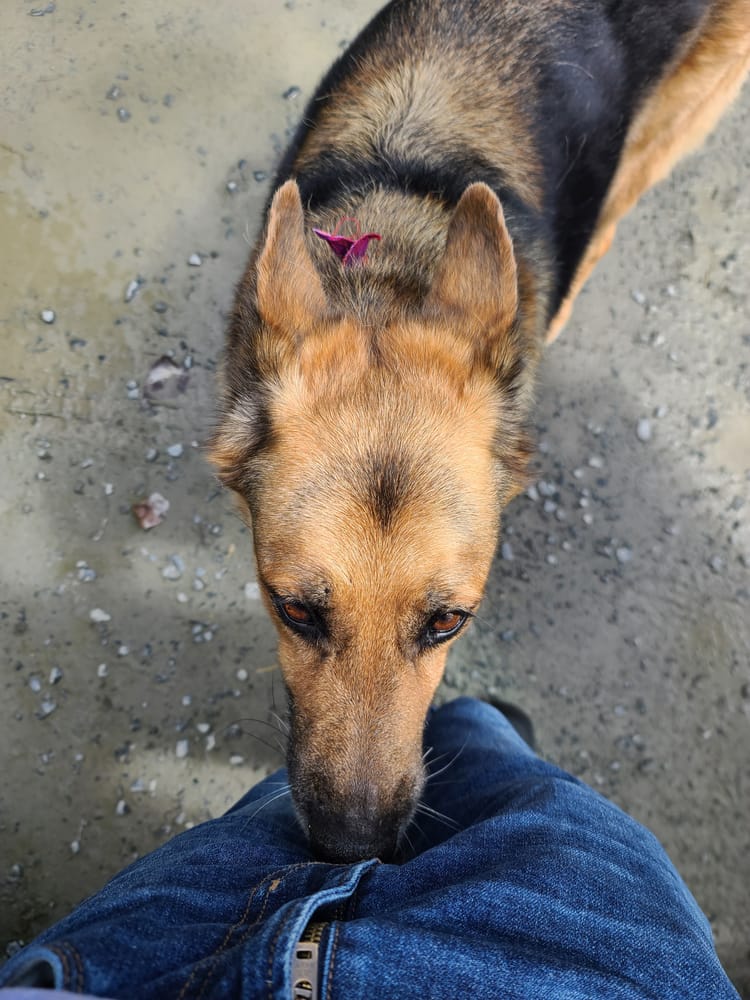
There is a familiar moment many dog owners know all too well. A guest walks through the front door, smiles politely, and within seconds the family dog eagerly approaches for an enthusiastic sniff in a rather awkward place. While the situation may feel embarrassing, especially during social gatherings, pet experts say the behavior is surprisingly normal.
For centuries, humans have tried to understand the strange habits of dogs. Ancient cultures believed dogs possessed mysterious instincts that allowed them to sense emotions, danger, or even hidden truths about people. Today, modern science offers a more grounded explanation. Dogs experience the world through scent in ways humans can barely imagine, and what seems awkward to us may simply be natural canine communication.
Understanding why dogs sniff human crotches involves both fascinating biology and long-standing cultural beliefs about the bond between humans and animals. While myths continue to circulate online, veterinarians and animal behavior experts agree that most of this behavior is linked to scent detection, curiosity, and social interaction.

The Powerful Sense of Smell That Shapes a Dog’s World
Dogs rely on smell far more than humans rely on sight. A human nose contains around five million scent receptors, but many dogs possess more than 200 million. This extraordinary ability allows them to detect scents, chemical signals, and subtle changes in their environment with remarkable accuracy.
Because of this heightened sense of smell, dogs gather information about people much the same way humans read facial expressions or listen to voices. A quick sniff can reveal emotional states, recent activities, familiar scents, and even changes in routine.
Veterinarians explain that dogs naturally investigate areas where scent is strongest. The human body contains apocrine sweat glands, which produce a stronger odor than ordinary sweat glands. These glands are concentrated in areas such as the armpits and groin, making them especially interesting to curious dogs.
For medium and large dogs, the groin area is also conveniently located at nose level, which makes investigation easy during greetings.
Why Dogs Use Scent as a Form of Communication
Dogs communicate differently from humans. While people depend heavily on language, dogs rely on body posture, sound, and scent. Sniffing is one of the primary ways dogs gather social information.
When dogs greet each other, they often sniff areas with strong scent glands. This behavior helps them recognize identity, mood, and familiarity. When dogs interact with humans, they may apply the same instinctive behavior.
Animal behavior specialists note that dogs are not attempting to embarrass people. Instead, they are exploring their environment and learning about someone new. To a dog, scent offers valuable details that humans cannot detect.
This explains why some dogs become especially interested in visitors they have never met before or people carrying unfamiliar scents from other pets, outdoor environments, or strong fragrances.
Cultural Myths About Dogs and Human Scent
Throughout history, many cultures viewed dogs as spiritually aware animals with heightened intuition. In folklore across Europe, Asia, and the Middle East, dogs were sometimes believed to sense emotional changes, illness, or unusual energy surrounding people.
Modern internet culture has amplified some of these beliefs. Online discussions occasionally claim that dogs sniff certain people because they can detect secrets, emotions, or hidden medical conditions. While there is some scientific evidence that trained dogs may recognize certain scent-related medical changes, ordinary household sniffing behavior is usually much simpler.
Experts caution against assuming dramatic meanings behind normal canine curiosity. Most dogs are simply responding to strong odors and natural social instincts rather than making complex judgments about a person.
Still, these myths continue to fascinate people because dogs often appear emotionally intuitive. Their attentiveness to human behavior strengthens the emotional connection many owners feel with their pets.
Can Dogs Really Detect Changes in Humans?
Scientific research suggests dogs may notice subtle chemical changes in the human body. Certain service dogs are trained to recognize scent changes associated with medical conditions such as low blood sugar or stress-related responses.
However, trained detection dogs undergo specialized conditioning over long periods of time. Everyday pet dogs are not automatically diagnosing health conditions when they sniff someone.
That distinction is important because internet rumors often exaggerate canine abilities. While dogs are remarkably perceptive animals, experts say most crotch-sniffing behavior is related to curiosity and communication rather than extraordinary detection powers.
Dogs may also show increased interest in people carrying unfamiliar scents from other animals, outdoor activities, food, or strong personal care products.

Why Some People Attract More Attention From Dogs
Not everyone receives the same level of attention from dogs, and there are several possible reasons why.
Body chemistry naturally differs from person to person. Sweat, clothing materials, perfumes, and daily activities all create unique scent profiles. Dogs may react more strongly to individuals whose scents appear especially interesting or unfamiliar.
Hormonal changes can also alter body odor slightly, which dogs may notice. Because dogs process scent at such a detailed level, even small changes invisible to humans can become noticeable to them.
Additionally, nervous behavior may unintentionally encourage dogs to investigate further. Dogs are highly observant and often respond to movement, tone of voice, and emotional energy.
Why Puppies and Young Dogs Sniff More Often
Younger dogs are typically more curious and less socially trained than older dogs. Puppies explore the world constantly, using scent as one of their primary learning tools.
Without guidance, young dogs may greet guests enthusiastically and investigate whatever catches their attention. This is not usually a sign of aggression or bad behavior. Instead, it reflects normal developmental curiosity.
As dogs mature and receive training, they often learn calmer greeting habits. Positive reinforcement techniques can help redirect excessive sniffing without discouraging natural canine instincts.
How to Redirect the Behavior Politely
Although the behavior is natural, many owners understandably want more polite greetings when guests arrive. Fortunately, trainers recommend gentle, effective methods that do not punish the dog.
Positive reinforcement is considered the most successful approach. Instead of scolding the dog, owners can redirect attention toward more appropriate behaviors.
Teaching commands such as “sit” before greeting visitors can create structure and reduce overexcitement. Rewarding calm behavior with treats or praise helps dogs associate polite greetings with positive outcomes.
Interactive activities can also satisfy a dog’s strong scent instincts. Experts often recommend:
Snuffle mats that encourage scent exploration
Puzzle toys that stimulate mental activity
Nosework games that channel natural tracking behavior
Long sniff-focused walks that allow safe exploration outdoors
These activities provide healthy mental stimulation while reducing excessive curiosity during social situations.
The Emotional Bond Between Humans and Dogs
Part of what makes canine behavior so fascinating is the deep relationship humans share with dogs. Dogs have lived alongside humans for thousands of years, gradually becoming companions, protectors, and beloved family members.
Because dogs communicate differently from humans, their behaviors can sometimes seem mysterious. Yet science increasingly shows that many canine actions are rooted in instinct, sensory perception, and social bonding.
Even awkward behaviors often reflect trust, curiosity, and engagement rather than mischief. Dogs explore the world honestly and directly, guided by senses far more powerful than our own.
This emotional connection is one reason people continue searching for deeper meaning behind canine habits. Whether viewed through science or folklore, dogs remain animals that inspire curiosity and affection across cultures.
What Veterinarians Want Owners to Understand
Veterinarians and animal behavior experts emphasize that crotch sniffing is generally normal canine behavior. It does not usually indicate aggression, dominance, or unusual intent.
However, excessive sniffing paired with anxiety, obsessive behavior, or sudden behavioral changes may occasionally warrant professional guidance. In most cases, though, simple training and redirection are enough.
Experts encourage owners to remain patient and avoid harsh punishment. Dogs respond best to calm, consistent instruction that teaches acceptable alternatives.
Understanding the biological reasons behind the behavior can also reduce embarrassment. What feels socially awkward to humans is often completely ordinary from a dog’s perspective.
The Science Behind a Dog’s Extraordinary Nose
Researchers continue studying canine scent detection because dogs possess abilities that still amaze scientists. Their noses can detect odor particles at concentrations far beyond human capability.
The portion of a dog’s brain dedicated to analyzing smells is also significantly larger, proportionally speaking, than the same area in humans. This makes scent central to nearly every aspect of a dog’s experience.
Dogs use smell to recognize people, locate objects, explore environments, and interpret social situations. In many ways, scent forms the foundation of how dogs understand the world around them.
When viewed through that scientific lens, sniffing behavior becomes less strange and more understandable.
A Reflection on Curiosity and Connection
Dogs remind humans that communication extends beyond words. Their curiosity, sensitivity, and reliance on scent reveal a completely different way of experiencing the world.
While myths and internet stories may exaggerate the meaning behind canine behavior, science paints a more balanced picture. Most dogs sniff human crotches simply because scent is their strongest source of information and social understanding.
Rather than seeing the behavior as rude or mysterious, many experts encourage owners to recognize it as part of normal canine communication. With gentle training and positive reinforcement, dogs can learn more polite greetings while still expressing their natural instincts.
The enduring fascination with dogs reflects humanity’s deep appreciation for animals that share our homes, routines, and emotions. Whether explored through folklore or science, canine behavior continues to spark wonder about the unique bond between humans and their loyal companions.
