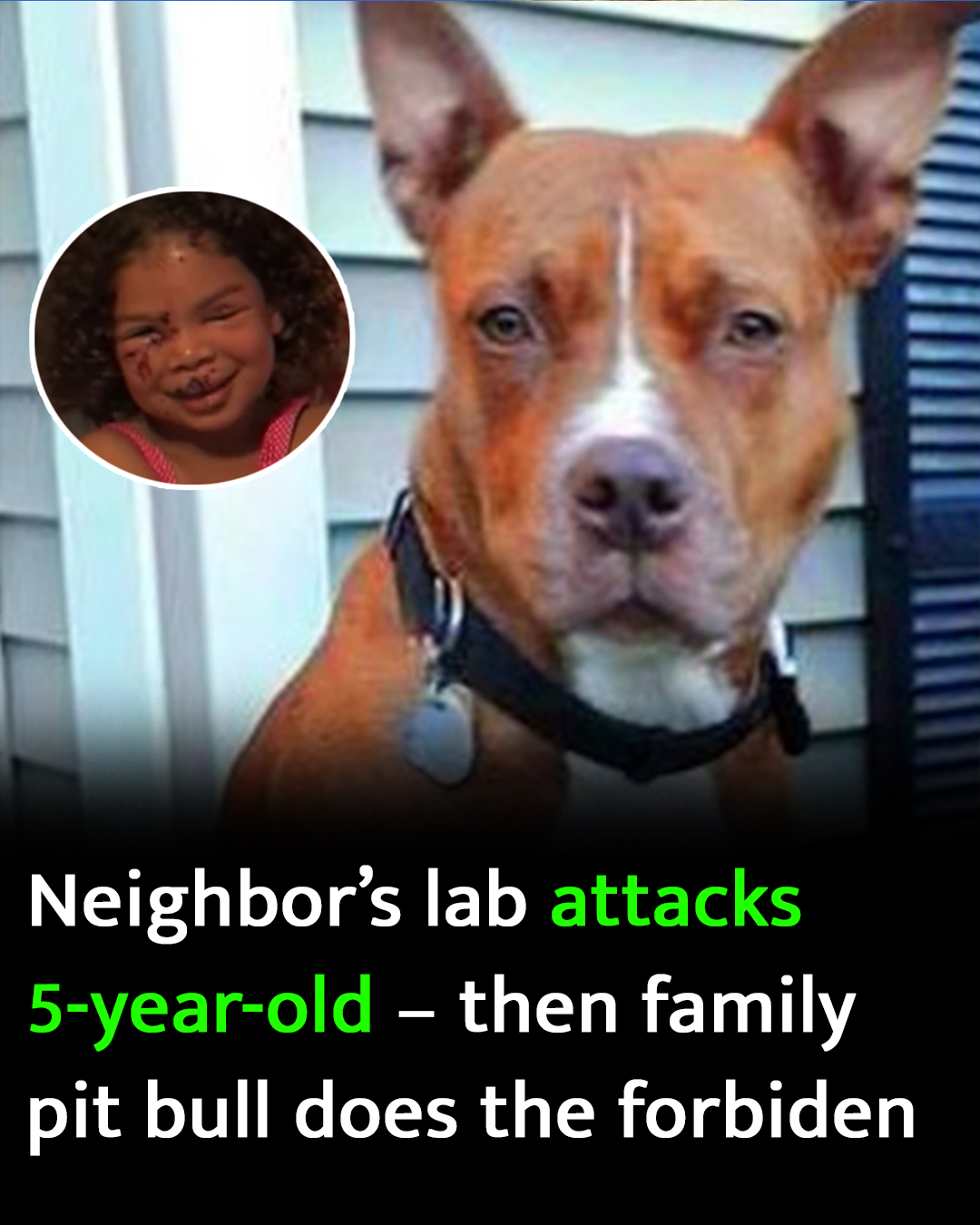
On what began as an ordinary afternoon, a young girl rode her bicycle through her neighborhood while enjoying the simple excitement of childhood. Nearby families went about their daily routines, unaware that within moments the peaceful day would suddenly turn frightening.
According to reports, the child approached a neighbor’s dog while riding outside. What followed became a deeply emotional event for both families involved and quickly sparked widespread discussion online about dog behavior, safety, and the protective instincts animals sometimes display.
Amid the chaos, the family’s own dog reportedly rushed toward the scene after hearing the child’s cries for help. Many people later described the animal’s response as heroic, while others debated the broader issue of dog aggression, breed reputation, and responsible pet ownership.
Stories like this often generate powerful emotional reactions because they involve themes humans deeply connect with: loyalty, protection, fear, trust, and family bonds.
This article explores the science behind canine protective behavior, the myths surrounding certain dog breeds, and why dogs continue to occupy such an important emotional place in human society.

The Deep Bond Between Humans and Dogs
The connection between humans and dogs stretches back thousands of years.
Researchers believe dogs were among the earliest animals domesticated by humans. Over generations, dogs evolved alongside people, developing remarkable sensitivity to human emotions, gestures, and social behavior.
Scientists studying animal cognition often describe dogs as uniquely adapted to understanding human communication. Unlike many other species, dogs pay close attention to facial expressions, tone of voice, body posture, and emotional tension.
This close evolutionary relationship may explain why dogs sometimes appear highly protective toward their families.
Many pet owners describe dogs not simply as animals, but as trusted companions and emotional members of the household.
Why Dogs Sometimes Become Protective
Protective behavior in dogs can emerge for several reasons.
Social Bonding
Dogs naturally form strong attachments to the people they live with. These bonds can become especially strong with children or primary caregivers.
Behavior specialists explain that dogs often view human families as part of their social group. When they perceive distress, fear, or sudden conflict, some dogs instinctively react.
Response to Emotional Signals
Dogs are highly sensitive to human emotional cues. Loud voices, screams, rapid movement, or panic may trigger alert responses in certain animals.
Research suggests dogs can detect stress-related chemical changes through scent as well as through body language and sound.
Territorial Instincts
Some dogs are naturally more territorial than others. They may react strongly when unfamiliar animals or perceived threats enter spaces associated with their family or home environment.
However, experts caution that protective behavior is highly individual and influenced by training, socialization, and environment.

Understanding Breed Stereotypes
Stories involving certain dog breeds often reignite public debates about aggression and safety.
One of the most controversial examples involves Pit bull type dogs.
Over the years, pit bulls have developed strong reputations in media coverage and public discussions. Supporters often describe them as loyal and affectionate family pets, while critics raise concerns about strength and risk in situations involving poor training or neglect.
Animal behavior researchers emphasize an important point: canine behavior is shaped by multiple factors, including:
Training
Socialization
Environment
Treatment by owners
Stress levels
Past experiences
Genetics
Most experts caution against assuming all dogs of a particular breed behave identically.
Organizations such as American Veterinary Medical Association and American Kennel Club frequently note that responsible ownership and proper training play major roles in canine behavior outcomes.
The Science of Canine Decision-Making
One reason stories about “hero dogs” fascinate people is that canine reactions sometimes appear surprisingly intentional.
Scientists studying dog cognition suggest dogs make rapid behavioral decisions by combining sensory information from multiple sources simultaneously.
Dogs observe:
Human voices
Facial expressions
Movement patterns
Scent changes
Environmental tension
Other animals’ behavior
In stressful situations, a dog may respond instinctively based on previous experiences, emotional attachment, and perceived danger.
Researchers continue studying whether dogs fully understand human vulnerability or simply react to emotional intensity and social cues.
Why Children and Dogs Require Careful Supervision
Experts consistently emphasize that interactions between children and dogs should always be supervised carefully, even with familiar pets.
Young children may unintentionally misread canine signals or approach dogs in ways animals perceive as stressful or threatening.
Veterinarians and trainers often recommend teaching children:
How to approach dogs calmly
When not to disturb animals
How to recognize warning signs
Respect for animal boundaries
Safe interaction habits
Similarly, dogs benefit from early socialization and positive training experiences that help them respond calmly in unpredictable situations.
Most professionals agree that prevention and education are essential for reducing accidents involving pets.

The Emotional Impact of Animal Stories
Stories involving dogs protecting humans frequently spread widely because they trigger strong emotional responses.
Psychologists explain that humans naturally connect with narratives involving loyalty, bravery, and caregiving. Dogs especially symbolize trust and companionship in many cultures.
When an animal appears to protect a vulnerable person, audiences often interpret the behavior through deeply emotional and moral lenses.
These stories may also reinforce beliefs many people already hold about dogs being devoted companions willing to defend their families.
Dogs in Mythology and Culture
Throughout history, dogs have appeared in myths, legends, and folklore as guardians and protectors.
In ancient Greece, dogs were associated with guardianship and loyalty. Norse mythology included powerful protective hounds, while Egyptian traditions connected dogs to guidance and protection.
In many cultures, dogs symbolized:
Faithfulness
Protection
Courage
Watchfulness
Companionship
These ancient themes still influence modern perceptions of canine behavior today.
When people describe a dog as a “hero,” they are often drawing from centuries-old cultural ideas about loyalty and guardianship.
The Role of Responsible Pet Ownership
Although heroic dog stories inspire admiration, experts stress the importance of focusing on responsible ownership rather than romanticizing dangerous situations.
Safe pet ownership includes:
Proper fencing and containment
Regular socialization
Veterinary care
Positive reinforcement training
Supervision around children
Understanding canine body language
Ensuring dogs receive appropriate exercise and stimulation
Animal behavior specialists emphasize that even well-loved pets remain animals with instincts, emotions, and stress responses.
Responsible ownership helps reduce risks while supporting healthier relationships between dogs and humans.
How Dogs Perceive Human Emotions
Modern research increasingly shows dogs are emotionally attuned to humans.
Studies suggest dogs may synchronize emotionally with owners, responding to stress, sadness, excitement, or calm behavior.
Scientists have found evidence that dogs can recognize emotional expressions and react differently depending on human tone and mood.
This emotional sensitivity may partly explain why dogs sometimes appear unusually responsive during emergencies or emotionally charged situations.
Why Stories Like This Resonate So Deeply
At their core, stories involving dogs protecting children tap into universal human themes.
People are drawn to stories about:
Loyalty during crisis
Unexpected courage
Family protection
Compassion and recovery
Trust between humans and animals
These emotional elements create powerful narratives that spread quickly online and remain memorable long after the headlines fade.
;Resize=620)
Conclusion
The story of a family dog rushing to protect a child during a frightening situation has once again sparked conversation about canine instincts, breed reputation, and the extraordinary emotional bond between humans and dogs.
Science suggests dogs are far more socially aware and emotionally perceptive than many people once believed. Their reactions are shaped by biology, training, environment, and the deep relationships they form with human families.
At the same time, experts remind the public that no breed should be judged solely by stereotypes, and no dog should be treated carelessly or irresponsibly.
Perhaps what fascinates people most about these stories is not simply the idea of heroism, but the reminder that animals and humans have shared emotional lives for thousands of years. Dogs continue standing beside people not only as companions, but also as creatures deeply connected to human emotion, trust, and protection.
Sources
American Veterinary Medical Association
American Kennel Club
Centers for Disease Control and Prevention
American Veterinary Medical Association Dog Bite Prevention Resources