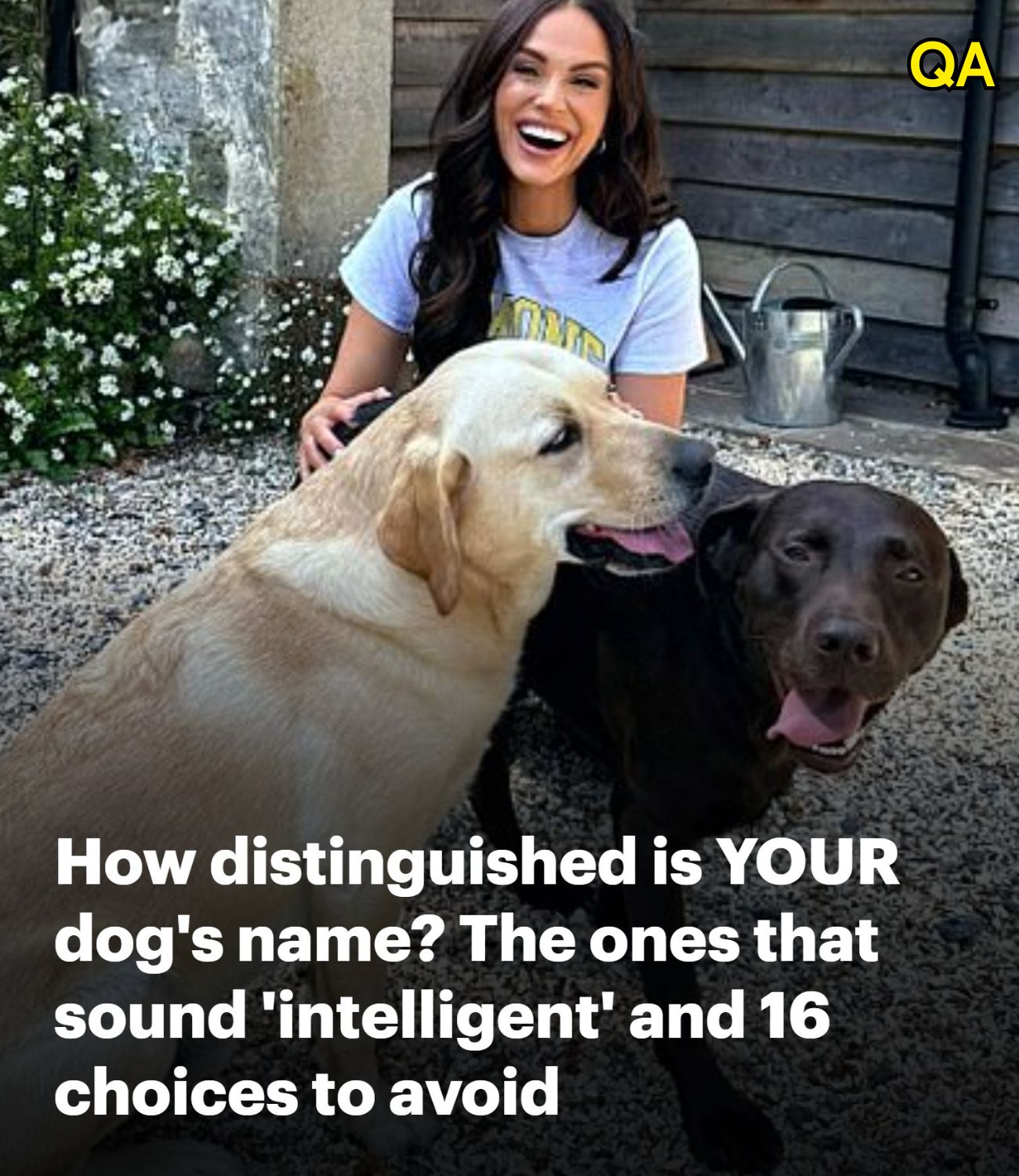
Choosing a dog’s name may seem simple at first. Some people pick a name inspired by a favorite movie character, while others choose something cute, funny, elegant, or completely unexpected. Yet according to etiquette experts, psychologists, and pet behavior researchers, the names people give their dogs can quietly reveal a great deal about personality, lifestyle, and even social identity.
Over the years, dog names have evolved dramatically. Traditional names like Rover, Spot, or Patch once dominated parks and veterinary waiting rooms. Today, however, modern pet owners are far more creative. Dogs are now named after luxury fashion brands, celebrities, foods, historical figures, and even royalty.
This growing trend reflects changing attitudes toward pets. Dogs are no longer viewed only as working animals or household companions. In many families, they are treated almost like children, complete with carefully selected names designed to express affection, individuality, and status.
Recent discussions sparked by etiquette specialist Laura Windsor have renewed public fascination with what makes a dog’s name sound “distinguished,” stylish, or unintentionally over-the-top.

Why Dog Names Matter More Than Ever
Pet naming has become increasingly important because pets now occupy a larger emotional role in modern life.
Studies suggest many owners view their dogs as members of the family rather than simply animals. As a result, naming a dog often carries emotional significance similar to naming a child.
Psychologists note that names help create identity and shape first impressions. The same principle may apply to pets. A dog named Winston creates a different image than a dog named Cookie or Versace.
Names also influence how strangers perceive owners. Whether intentional or not, people often associate certain pet names with personality traits, lifestyle preferences, humor, sophistication, or social trends.
The Rise of “Distinguished” Dog Names
According to surveys from organizations like Dogs Trust, modern dog names increasingly resemble human baby names.
Popular choices such as Luna, Milo, Teddy, and Poppy dominate rankings across many countries. These names feel friendly, modern, and approachable without sounding overly dramatic.
Laura Windsor described names like Luna, Milo, Bear, and Dixon as balanced choices because they sound contemporary while remaining practical.
Many celebrities have embraced these softer, human-style pet names:
Sadiq Khan reportedly owns a dog named Luna.
Vicky Pattison has a dog named Milo.
Sydney Sweeney has also used the name Bear for a pet.
These names succeed partly because they feel natural when spoken aloud in everyday situations.
Why Old-Fashioned Names Sound Sophisticated
Names like Winston, Frederick, Terrence, and Fenton have become increasingly popular among owners seeking a more “classic” image.
These names often evoke the feeling of traditional British elegance or old-world charm.

Linguists suggest strong consonants and formal structures make these names sound authoritative and memorable. Names with clear syllables are also easier for dogs to recognize during training.
Experts in canine behavior often recommend short, distinct sounds because dogs respond well to names that are easy to hear and differentiate.
Interestingly, many sophisticated-sounding names combine practicality with personality, which may explain their growing appeal.
The Influence of Celebrity Culture on Dog Names
Celebrity culture plays a major role in pet naming trends.
Famous figures frequently inspire naming choices, especially when their pets receive media attention. Luxury-inspired names such as Gucci, Dolce, and Versace have become increasingly common among owners seeking glamorous or fashionable identities.
For example:
Kylie Jenner famously owned a Chihuahua named Dolce.
Gemma Collins has a dog named Gucci.
Paris Hilton helped popularize luxury-themed pet culture in the early 2000s.
Critics argue these names sometimes reflect the owner’s aspirations more than the dog’s personality. Supporters, however, view them as playful expressions of creativity and humor.
Why Food Names Became So Popular
Another major trend involves naming dogs after foods.
Cookie, Peanut, Muffin, Pickle, and Marmalade have all become surprisingly common pet names in recent years.
These names often communicate warmth, comfort, and affection. Behavioral psychologists suggest people naturally associate sweet foods with emotional positivity, making these names feel comforting and endearing

However, etiquette experts sometimes argue that overly cute names can make dogs seem less dignified or mature.
Still, for many owners, emotional connection matters far more than sophistication.
Powerful Names and the Psychology Behind Them
Names like Zeus, Hercules, Rocky, and Titan are especially popular among owners of large dogs.
These names project strength, confidence, and dominance. Psychologists note that humans often choose names reflecting qualities they admire or wish to emphasize.
Yet some experts caution that dramatic names can create amusing contrasts when paired with small or gentle dogs.
For example, a tiny terrier named Hercules may sound humorous precisely because expectations and reality clash.
Despite this, bold names remain popular because they feel memorable and expressive.
How Social Class Influences Pet Naming Trends
Sociologists studying naming trends have observed that pet names often mirror broader cultural and class patterns.
Certain names may become associated with urban professionals, luxury lifestyles, rural traditions, or internet culture. Human naming trends also strongly influence pet names.
For example:
Classic names often signal tradition and stability.
Luxury-inspired names may reflect aspirational branding culture.
Cute food names suggest emotional warmth and playfulness.
Minimalist modern names often align with contemporary lifestyle trends.
These patterns are not fixed rules, but they help explain why people form instant impressions based on pet names.
The Science of How Dogs Learn Their Names
Beyond social perception, a dog’s name also has practical importance.
Animal cognition research shows dogs can recognize their names similarly to verbal cues. Dogs respond best to names with distinct sounds and clear pronunciation.
Trainers generally recommend:
One or two syllables
Clear consonants
Easy pronunciation
Consistency during training
Names ending in vowel sounds may also attract attention more effectively because of tonal clarity.
This is one reason names like Luna, Milo, Bella, and Teddy remain highly successful. They sound pleasant to humans while being easy for dogs to distinguish.
Why Humans Anthropomorphize Pets
Modern naming trends reflect a broader phenomenon known as anthropomorphism, where humans assign human-like traits or identities to animals.
Giving dogs formal human names strengthens emotional bonding and encourages owners to view pets as companions with personalities and individuality.
Researchers believe this emotional connection partly explains why pet industries have grown rapidly worldwide. Owners increasingly celebrate birthdays, purchase fashion accessories, and create social media accounts for pets.
Naming becomes part of that emotional storytelling.
Social Media and the Rise of “Instagrammable” Dog Names
Social media platforms have accelerated creative pet naming trends dramatically.
Owners now often choose names that sound unique, visually appealing, or memorable online. Influencer culture has also encouraged thematic naming inspired by luxury brands, food aesthetics, vintage fashion, or pop culture.
A memorable dog name can help a pet stand out in social media posts, videos, and online communities.
This shift reflects how digital culture increasingly shapes even everyday personal decisions.

Are There Really “Bad” Dog Names?
Despite strong opinions from etiquette experts, many animal behaviorists believe there is no objectively perfect dog name.
The best name is ultimately one that owners enjoy using consistently and positively.
Dogs themselves respond primarily to tone, repetition, and emotional association rather than social sophistication.
Whether a dog is called Winston, Peanut, Zeus, or Fifi, what matters most is the quality of care, affection, and communication shared between owner and pet.
Still, naming trends remain fascinating because they reveal changing cultural values and human psychology.
Why Certain Names Endure Across Generations
Some names remain timeless because they balance personality, simplicity, and practicality.
Names like Max, Charlie, Lucy, Bella, and Teddy continue appearing year after year because they feel friendly and adaptable across many breeds and personalities.
Meanwhile, trendier names may rise and fade alongside cultural movements, celebrity influence, or internet humor.
The history of dog naming shows how closely human identity and pet culture have become connected over time.
A Reflection on Dogs, Identity, and Human Creativity
The names people choose for their dogs may seem small, but they reveal something meaningful about human nature.
Naming a pet is an act of affection, imagination, and identity. Some owners seek elegance, others humor, nostalgia, luxury, or individuality. In every case, the chosen name becomes part of the relationship between human and animal.
Whether sophisticated or silly, classic or modern, dog names reflect the emotional role pets play in people’s lives today.
Perhaps that is why the subject continues fascinating so many people. Behind every Winston, Luna, Cookie, or Zeus is a story about companionship, personality, and the uniquely human desire to give meaning to the animals we love.
Sources
Dogs Trust National Dog Survey
American Kennel Club – Dog Naming Tips