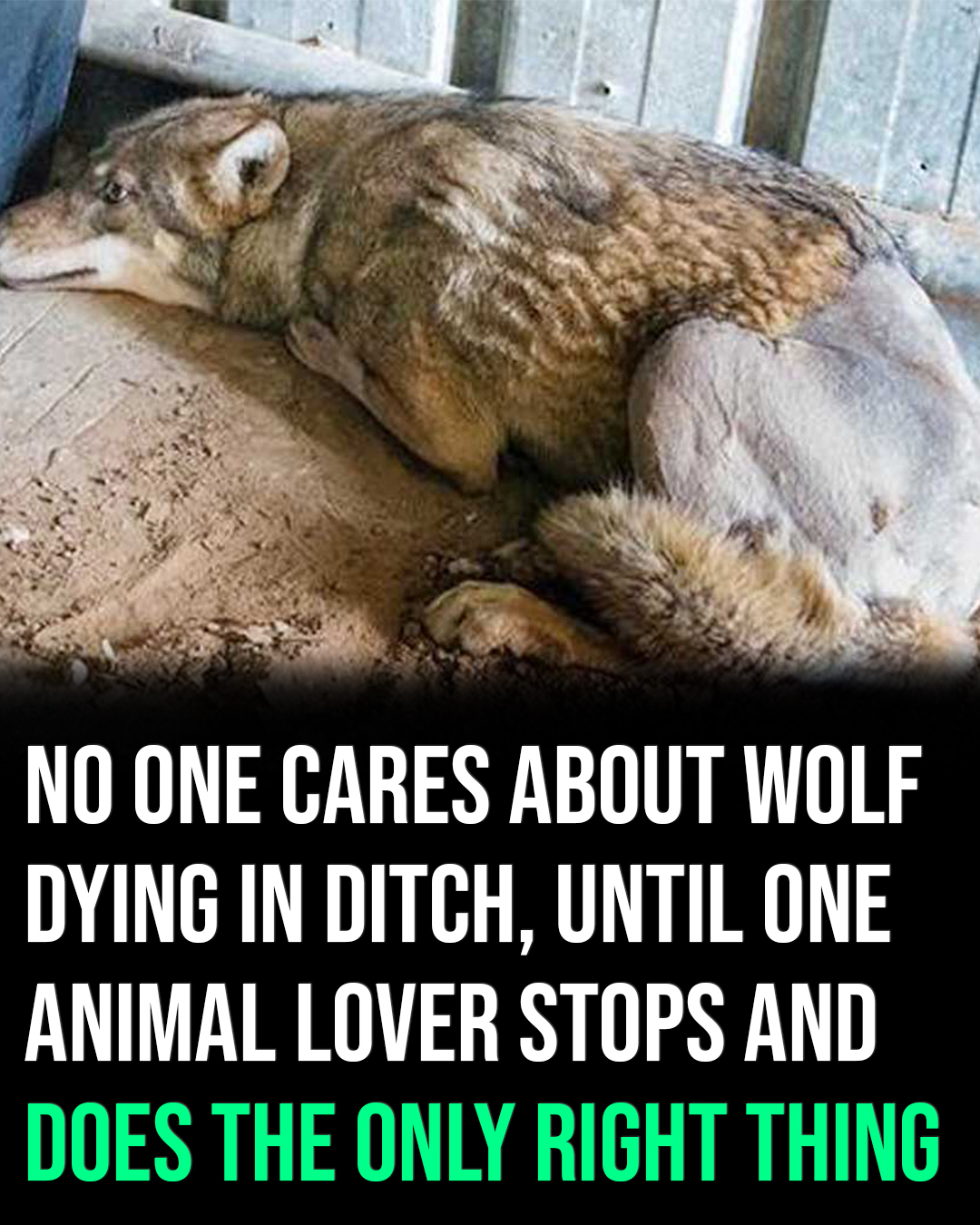
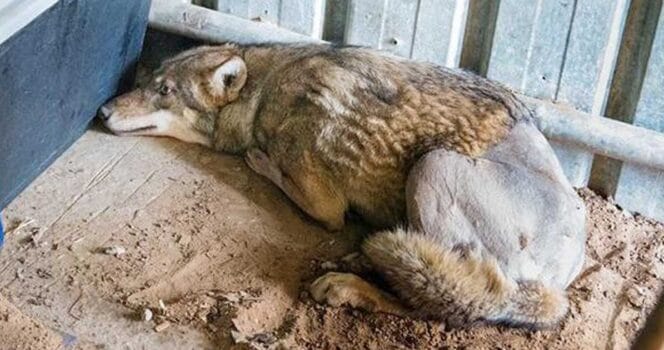
On a quiet roadside, an injured wolf lay alone beside a ditch.
Unable to move properly after a severe leg injury, the animal faced a future that seemed uncertain. Wild predators rely heavily on speed, mobility, and strength to survive. Even a single injury can dramatically reduce their chances in nature.
Then something unexpected happened.
Instead of passing by, one person stopped.
That decision changed everything.
Stories about injured wildlife rescues often capture public attention because they reflect a powerful intersection between nature, empathy, and survival. Whether involving wolves, birds, sea turtles, or stray animals, rescue stories remind people that compassion can sometimes bridge the distance between humans and the wild world around them.
The story of a rescued Arabian wolf has sparked renewed interest in wildlife conservation, public attitudes toward predators, and the growing role animal rescue organizations play in protecting vulnerable species.
Understanding the Arabian Wolf
The Arabian wolf is one of the smallest wolf subspecies in the world.
These wolves inhabit regions across the Middle East, including parts of Israel, Jordan, Saudi Arabia, and Yemen. Adapted to desert and semi-arid environments, Arabian wolves survive in harsh climates with limited food and water sources.
Unlike the larger gray wolves often associated with snowy forests and northern wilderness, Arabian wolves are leaner, smaller, and highly adaptable.
Their diet may include:
Small mammals
Birds
Reptiles
Insects
Carrion
Occasionally livestock
Because they sometimes prey on farm animals, tensions can arise between wolves and rural communities.
Why Wolves Inspire Strong Reactions
Few wild animals create as much emotional debate as wolves.
Throughout history, wolves have appeared in myths, legends, folklore, and literature across many cultures. Sometimes they are portrayed as dangerous predators. Other times they symbolize intelligence, loyalty, freedom, or survival.
In modern conservation discussions, wolves often represent a larger conversation about coexistence between humans and wildlife.
Supporters view them as important parts of healthy ecosystems. Critics may worry about livestock losses or safety concerns in rural regions.
This complexity explains why wolf rescue stories generate such strong emotional responses online.
Wildlife Injuries Near Roads
Road-related wildlife injuries are a growing issue worldwide.
As roads expand into natural habitats, animals increasingly encounter traffic while searching for food, water, or migration routes.
Organizations studying wildlife conservation note that vehicle collisions affect many species, including:
Wolves
Foxes
Deer
Birds
Bears
Wild cats
Smaller mammals
For predators especially, injuries that reduce mobility can severely affect survival chances in the wild.
The Importance of Wildlife Rescue
Wildlife rescue organizations play a critical role in helping injured animals recover when rehabilitation is possible.
Veterinarians and rescue specialists may provide:
Medical treatment
Surgery
Nutrition
Temporary shelter
Rehabilitation support
Monitoring before release
The ultimate goal in many wildlife rescue cases is to return healthy animals to their natural environment whenever appropriate and safe.

Veterinary Care for Wild Animals
Treating wild predators presents unique challenges.
Unlike domestic animals, wild wolves are naturally cautious around humans and may experience significant stress in captivity. Veterinary teams must balance medical care with minimizing unnecessary human interaction.
Procedures for injured wildlife often involve:
Sedation for examination
X-rays or imaging
Fracture repair
Wound treatment
Careful rehabilitation planning
Recovery periods may take weeks or months depending on the severity of injuries.
Why Release Back Into the Wild Matters
Conservation experts generally prefer rehabilitated wild animals to return to natural habitats whenever possible.
Releasing recovered animals supports:
Natural ecosystem balance
Genetic diversity
Species conservation
Normal behavioral development
However, wildlife release decisions require careful evaluation. Rescue teams must determine whether the animal can hunt, move, and survive independently again.
Public Fascination With Animal Rescue Stories
Animal rescue stories frequently spread widely online because they appeal to universal emotional themes.
People connect with stories involving:
Second chances
Compassion
Survival
Healing
Human kindness
Hope
Psychologists suggest that rescue narratives may also help people feel more connected to nature during increasingly urbanized lifestyles.
Wolves and Ecosystem Balance
Scientists emphasize that wolves serve important ecological roles.
As predators, wolves help regulate prey populations and influence ecosystem dynamics. Research in several countries has shown that predator presence can affect vegetation patterns, grazing behavior, and biodiversity indirectly.
Organizations such as World Wildlife Fund and International Union for Conservation of Nature continue studying predator conservation and ecosystem health worldwide.

The Ethical Debate Around Human Intervention
Wildlife rescue also raises philosophical questions.
Some people believe nature should proceed without human involvement. Others argue humans have responsibility to help animals harmed by human-created dangers such as roads, pollution, or habitat loss.
There is no single universal answer.
Wildlife professionals often evaluate each case individually based on conservation impact, animal welfare, and long-term survival prospects.
The Emotional Power of Release Moments
One of the most moving parts of many rescue stories is the moment animals return to freedom.
For rehabilitated wildlife, release symbolizes recovery and resilience. For rescuers, it often represents the successful conclusion of months of care and effort.
Images of animals cautiously stepping back into forests, deserts, or open landscapes frequently resonate deeply with audiences around the world.
How Social Media Changed Wildlife Awareness
In earlier decades, many local rescue stories remained largely unknown outside their communities.
Today, social media allows wildlife rehabilitation stories to reach millions of people globally within hours.
This increased visibility has both benefits and challenges.
Positive effects may include:
Greater conservation awareness
Public donations for rescue organizations
Education about wildlife
Support for environmental protection
However, experts also caution against oversimplifying complex wildlife issues into purely emotional narratives.
Human Compassion and Wild Animals
The rescue of an injured wolf reflects something broader than one single event.
It highlights humanity’s evolving relationship with wildlife. While fear and conflict between humans and predators have existed for centuries, modern conservation efforts increasingly emphasize coexistence, understanding, and ecological responsibility.
Acts of compassion toward animals often resonate because they remind people that empathy can extend beyond human communities.
The Future of Wildlife Conservation
Conservationists continue working to reduce risks facing wild species through:
Habitat protection
Wildlife crossings near roads
Education programs
Rescue and rehabilitation efforts
Research initiatives
Sustainable land management
As human populations expand, balancing development with wildlife protection remains one of the major environmental challenges of the modern world.

Conclusion
The story of an injured wolf rescued from the roadside is ultimately about more than survival.
It reflects the powerful impact one compassionate decision can have. A single person choosing to stop, help, and care transformed the outcome for an animal that otherwise faced little chance of recovery.
At the same time, the story highlights larger conversations about wildlife conservation, ecosystem balance, and humanity’s relationship with nature.
Wolves have long inspired fear, admiration, mystery, and debate. Yet moments like this remind us that beyond the myths and emotions, wild animals are living creatures sharing the same world we do.
Sometimes, even small acts of compassion can create extraordinary second chances.
Sources
Arabian wolf
World Wildlife Fund
International Union for Conservation of Nature
National Geographic Society
World Wildlife Fund Wolf Conservation Information
International Union for Conservation of Nature Species Database