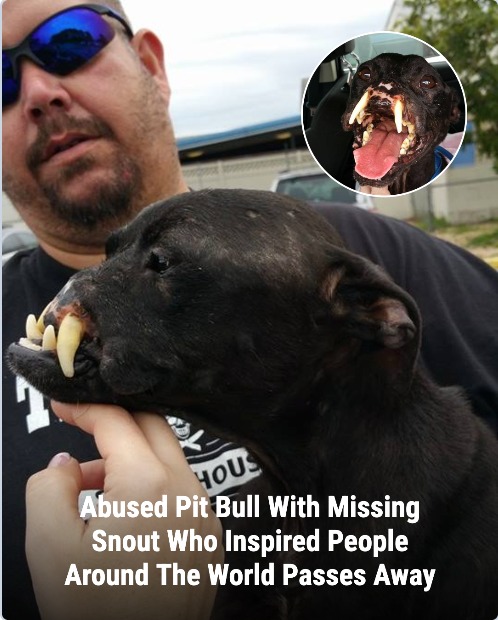
A frightened young dog was discovered alone in a yard, severely injured and barely able to move.
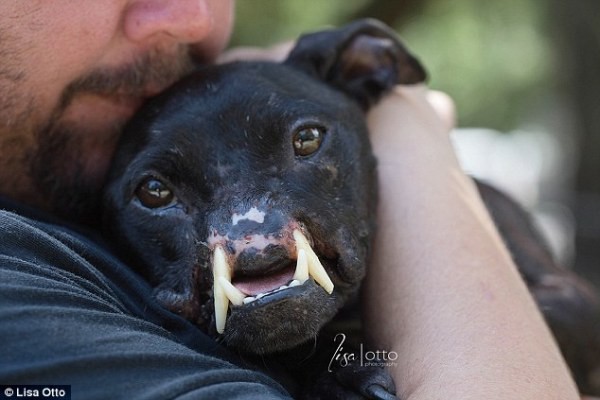
At first glance, many people believed recovery would be impossible. The dog was underweight, struggling physically, and facing extensive medical challenges. Yet despite everything she had endured, rescuers noticed something remarkable almost immediately.
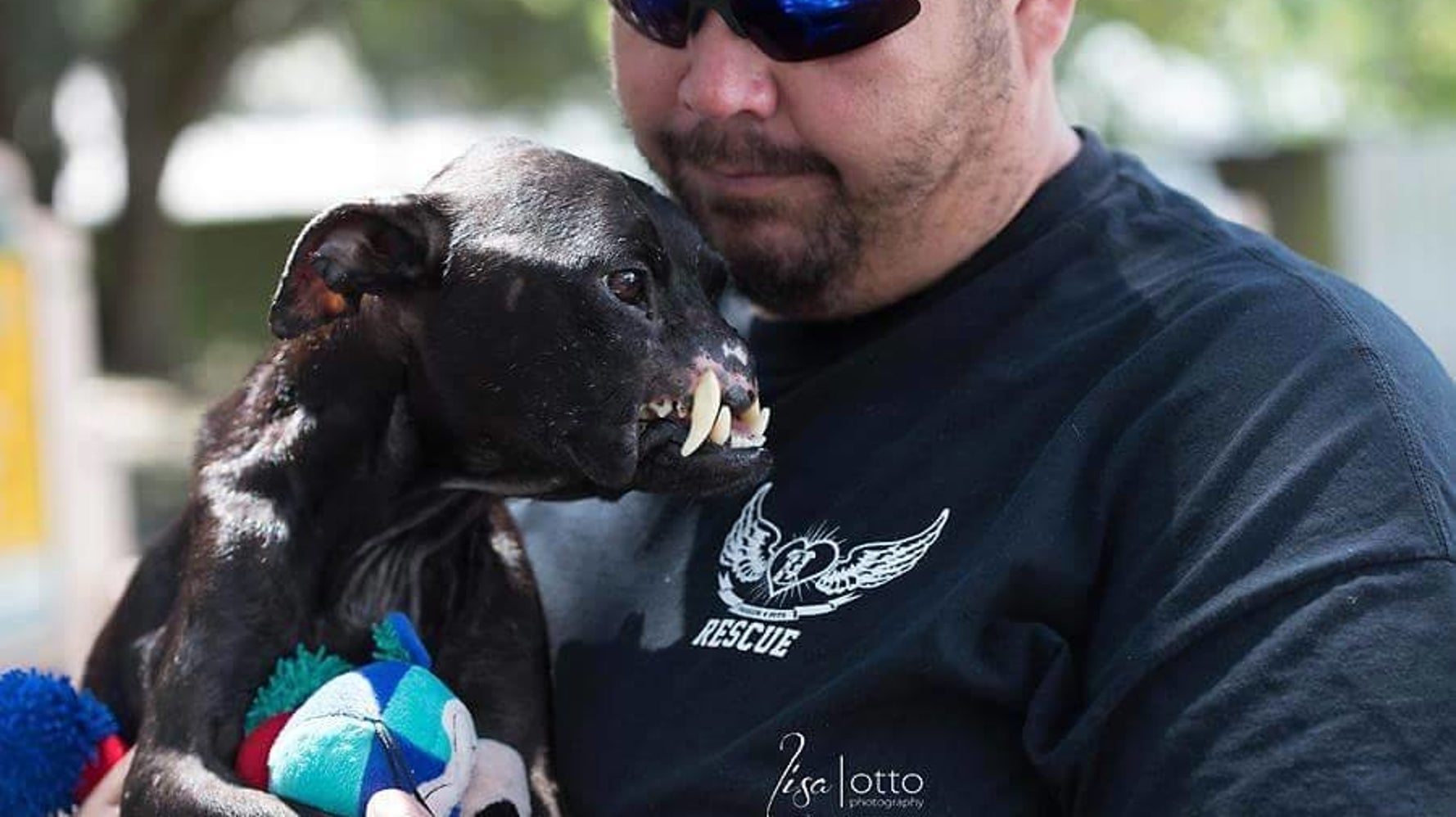
She still wanted affection.
That dog, later named Khaleesi, would go on to inspire animal lovers around the world and become a symbol of resilience, rehabilitation, and compassion for abused animals.
Her story highlights important conversations about animal welfare, rescue organizations, veterinary innovation, and the emotional bond between humans and pets.
The Growing Importance of Animal Rescue Organizations
Across many countries, animal rescue organizations provide care for neglected, abandoned, or injured pets that might otherwise receive no help.
Groups specializing in difficult medical cases often take in animals requiring:
Emergency treatment
Surgery
Rehabilitation
Behavioral support
Long-term foster care
These organizations depend heavily on donations, volunteers, and veterinary partnerships to continue their work.
Stories like Khaleesi’s attract widespread attention because they demonstrate how rescue efforts can transform lives, even in extremely difficult situations.

Understanding Severe Animal Neglect
Animal welfare experts note that neglect can affect pets in many ways.
Common signs of severe neglect may include:
Malnutrition
Untreated medical conditions
Mobility problems
Skin issues
Behavioral fear or anxiety
Lack of socialization
In some cases, rescued animals require months of specialized treatment before they are healthy enough for adoption.
Veterinarians and rescue teams often emphasize that recovery involves both physical healing and emotional rehabilitation.
Why Rescue Stories Resonate So Deeply
Animal rescue stories frequently spread online because they connect with universal human emotions.
People are often moved by themes such as:
Perseverance
Compassion
Second chances
Healing
Hope
Emotional resilience
Even animals facing significant hardships can sometimes display remarkable trust and affection toward the people helping them.
That emotional contrast often leaves a lasting impression on audiences.
Veterinary Advances in Animal Reconstruction
Modern veterinary medicine has made major advances in treating injured animals.
Specialized veterinary surgeons may perform procedures involving:
Bone repair
Soft tissue reconstruction
Mobility rehabilitation
Facial reconstruction
Advanced wound management
Prosthetics and assistive devices
These medical techniques can dramatically improve quality of life for rescued animals.
Cases involving facial injuries are particularly challenging because veterinarians must balance appearance, breathing, eating ability, and infection prevention during treatment.

The Public Conversation Around Pit Bulls
Stories involving pit bulls often generate additional public discussion due to the breed’s reputation.
The term “pit bull” commonly refers to several related breeds, including the American Pit Bull Terrier.
Animal behavior experts frequently emphasize that behavior is shaped by many factors, including:
Training
Environment
Socialization
Treatment by owners
Health conditions
Individual temperament
Many rescue advocates work to encourage responsible ownership while also challenging stereotypes associated with certain dog breeds.
The Emotional Recovery of Rescue Animals
Physical healing is only part of rehabilitation.
Rescue organizations often observe that emotional recovery can take significant time, especially for animals who experienced prolonged neglect or instability.
Positive rehabilitation environments may include:
Consistent routines
Gentle human interaction
Safe spaces
Medical support
Behavioral enrichment
Patience and socialization
Animal welfare specialists note that many rescued dogs gradually rebuild confidence through stable care and trust-building experiences.
How Social Media Changed Animal Advocacy
Over the past decade, social media has transformed animal rescue awareness.
Before online platforms became widespread, many rescue stories remained local. Today, a single story can inspire millions of people globally within days.
This visibility has helped:
Increase rescue donations
Promote pet adoption
Raise awareness about neglect prevention
Support veterinary fundraising
Encourage volunteer involvement
Many rescue groups now rely heavily on digital communities for financial and emotional support.
Why People Support Animal Rescue Causes
Research in psychology suggests that people often feel strong emotional responses toward animals because pets represent companionship, loyalty, and innocence.
Supporting rescue organizations can also provide individuals with a sense of positive action in response to difficult situations.
Animal rescue campaigns frequently succeed because they combine:
Emotional storytelling
Visible recovery progress
Community participation
Clear humanitarian goals
The Challenges Faced by Animal Shelters
Despite growing public awareness, shelters and rescues continue facing major challenges.
Common issues include:
Limited funding
Overcrowding
Veterinary expenses
Foster shortages
Long-term rehabilitation costs
Adoption barriers
Cases involving extensive medical treatment can require especially large amounts of financial and professional support.
Why Special Needs Pets Inspire So Many People
Animals with visible differences or disabilities often become symbols of resilience online.
Pets recovering from injuries, surgeries, or congenital conditions frequently attract large followings because their stories challenge assumptions about recovery and quality of life.
Supporters often describe these animals as reminders that healing and happiness can still exist after hardship.
The Role of Compassion in Animal Welfare
One reason Khaleesi’s story connected with so many people is that it highlighted the impact of compassion.
At multiple stages, people chose to help rather than give up:
The individual who noticed her condition
The rescue organization that accepted her
Veterinarians who performed complex procedures
Donors who funded treatment
Volunteers who supported recovery
Together, those actions created opportunities that otherwise may not have existed.
Public Awareness and Responsible Pet Care
Animal welfare organizations encourage responsible pet ownership through:
Regular veterinary care
Proper nutrition
Safe living environments
Training and socialization
Spaying and neutering
Adoption support
Education remains one of the most important tools for reducing neglect and improving long-term animal welfare outcomes.
Why Rescue Stories Continue to Matter
Rescue stories serve a larger purpose beyond emotional inspiration.
They also help raise awareness about:
Animal cruelty prevention
Shelter overcrowding
Adoption advocacy
Veterinary innovation
Community involvement
Compassionate care
Even difficult stories can encourage positive change when they motivate people to support animal welfare efforts.
Conclusion
The story of Khaleesi is ultimately about resilience, care, and the extraordinary difference compassion can make.
Although her life involved enormous challenges, she became a powerful symbol for rescue advocates and animal lovers around the world. Her recovery journey demonstrated not only the capabilities of modern veterinary medicine, but also the emotional strength animals can show even after hardship.
Stories like hers continue to inspire conversations about responsible pet ownership, animal rescue, and the importance of treating animals with dignity and care.
In a world where difficult stories often dominate headlines, moments of compassion remind people that healing, hope, and kindness still matter deeply — for humans and animals alike.
Sources
American Society for the Prevention of Cruelty to Animals
Humane Society of the United States
American Veterinary Medical Association
ASPCA Animal Rescue and Rehabilitation Resources
Humane Society Animal Welfare Information
American Veterinary Medical Association Pet Health Resources