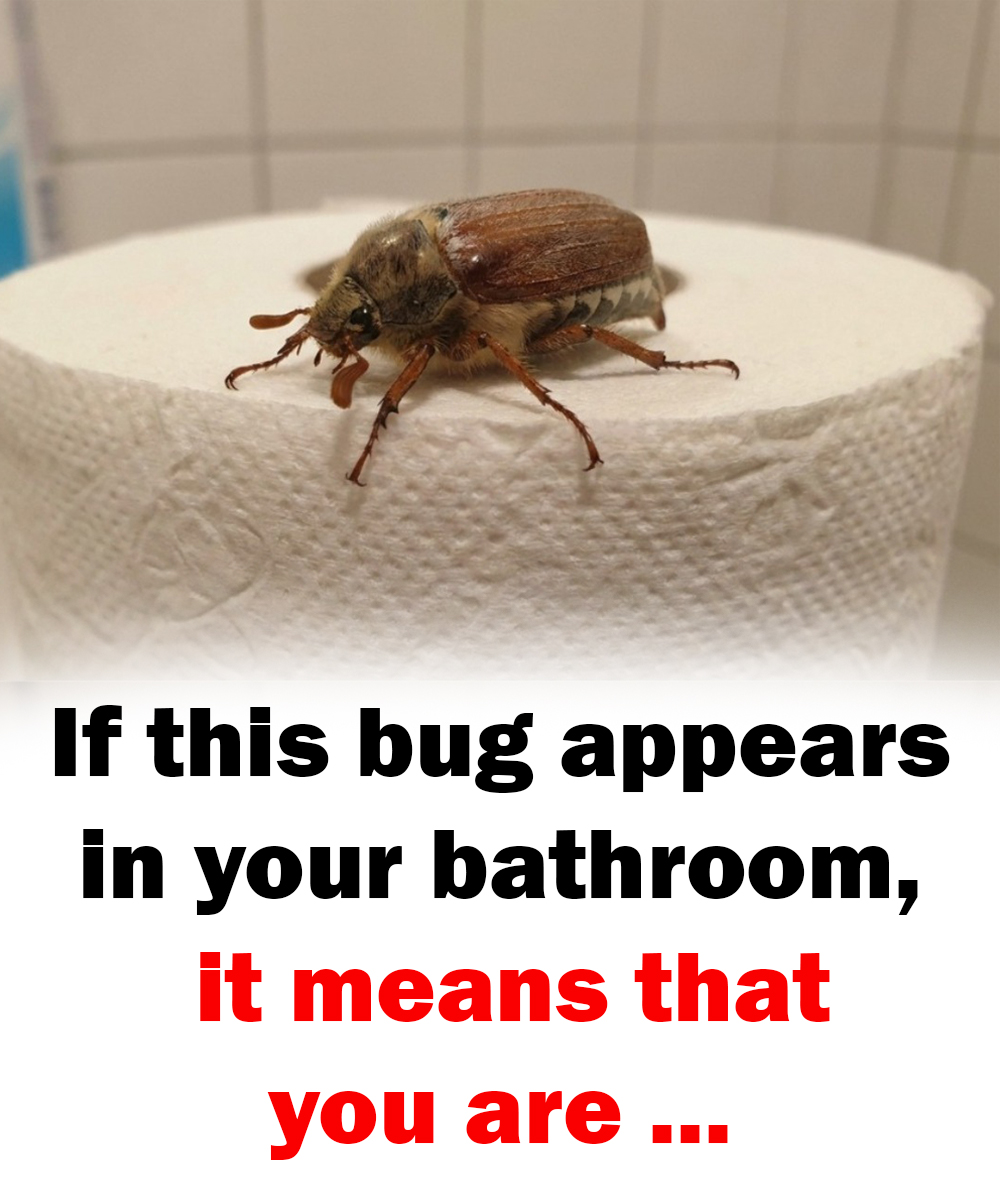
Late at night, many people experience the same unsettling moment. They turn on the bathroom light and suddenly notice tiny insects near the sink, small flies hovering around the drain, or a quick movement disappearing beneath a cabinet.
Oddly enough, the rest of the house may appear completely clean and pest-free.
This common experience has puzzled homeowners for decades. Why do bugs seem especially drawn to bathrooms, even in homes cleaned regularly and maintained carefully?
The answer lies in the unique environment bathrooms create. Warm moisture, hidden spaces, plumbing systems, and organic residue combine to form conditions that many insects find ideal for survival.
Although discovering bathroom bugs can feel alarming, scientists and pest experts explain that these insects are usually responding to environmental factors rather than overall household cleanliness alone.
This article explores the science behind bathroom pest activity, the types of insects most commonly found there, and the cultural myths and psychological reactions surrounding bugs in indoor spaces.
Bathrooms as Tiny Indoor Ecosystems
Modern bathrooms unintentionally create nearly perfect ecosystems for moisture-loving insects.
Unlike most rooms in a home, bathrooms regularly contain:
High humidity
Frequent temperature changes
Standing water
Dark enclosed spaces
Organic residue
Limited airflow
Together, these conditions mimic the damp environments many insects naturally seek outdoors, such as under rocks, inside decaying wood, or near streams and caves.
Entomologists, scientists who study insects, explain that bathrooms essentially become miniature climate-controlled habitats where moisture-dependent species can thrive year-round.
Why Humidity Attracts Bugs
Humidity is one of the biggest reasons bathrooms attract pests.
Hot showers and baths release steam into enclosed spaces, rapidly increasing moisture levels in the air. If ventilation is weak, humidity can remain trapped long after the bathroom is no longer in use.
Many insects rely heavily on moist environments because their bodies lose water quickly in dry conditions.
Silverfish and Moisture Dependence
One of the most common bathroom insects is the silverfish, a small wingless insect known for its quick, fish-like movements.
Silverfish prefer highly humid spaces and often hide behind sinks, cabinets, or baseboards during the day.
Scientists explain that silverfish struggle to survive in dry conditions, which is why they frequently appear in bathrooms, laundry rooms, and basements instead of living rooms or bedrooms.
Mold and Damp Surfaces
Persistent humidity can also encourage mold and mildew growth on grout, shower curtains, and walls. Certain insects, including booklice and springtails, feed on microscopic fungi growing in damp environments.
This creates an indirect relationship where humidity supports mold growth, and mold then supports insect populations.
Water Sources Keep Insects Alive
Beyond humidity in the air, bathrooms provide steady access to liquid water.
From a biological perspective, water is often more important to insect survival than food itself.
Researchers note that some species can survive for surprisingly long periods without eating, but they struggle to survive without moisture.
Leaky Fixtures
Small leaks beneath sinks or behind toilets may seem insignificant to humans, yet they create ideal conditions for insects.
A slow drip can provide enough moisture to support entire pest populations hidden behind cabinets or inside walls.
Condensation
Cold pipes, toilet tanks, and tiles often collect water droplets through condensation. These tiny moisture pockets become drinking sources for insects and help maintain humid microclimates.
Drain Systems
Drains are particularly attractive because they contain both moisture and organic material. Certain flies even depend entirely on wet drain residue to reproduce.

The Mystery of Drain Flies
Many homeowners notice tiny fuzzy flies hovering around sinks or shower drains. These are commonly called drain flies.
Drain fly breed in the slimy organic film that forms inside pipes.
Their larvae feed on bacteria and decomposing material accumulating in drains over time. While drain flies are generally harmless, their presence often signals excessive buildup inside plumbing systems.
Cleaning drains thoroughly and improving ventilation can help reduce their numbers.
Cockroaches and Bathroom Environments
Bathrooms can also attract cockroaches because they combine warmth, moisture, darkness, and hidden shelter.
Water Is Essential for Roaches
Researchers explain that many cockroach species require regular access to water. This is why bathrooms and kitchens are often the first indoor areas where infestations develop.
Hidden Spaces
Cabinets beneath sinks, gaps behind toilets, and wall openings around plumbing provide protected hiding spots during the day.
At night, cockroaches may emerge searching for water droplets, soap residue, hair particles, or other organic material.
Although seeing a cockroach can be distressing, pest experts note that their presence often reflects environmental opportunity rather than severe uncleanliness.
Why Bathrooms Have So Many Hiding Places
Bathroom architecture unintentionally creates excellent shelter for small pests.
Unlike open living spaces, bathrooms contain numerous enclosed areas where insects can remain hidden from view.
These include:
Spaces beneath sinks
Wall gaps around pipes
Cracks in grout
Cabinet interiors
Behind mirrors and vanities
Around bathtubs and toilets
Small insects instinctively seek dark protected areas because these spaces reduce exposure to predators and environmental changes.
Even tiny structural gaps can become long-term hiding zones.
The Role of Organic Material
Bathrooms may appear clean, but they quietly collect many forms of organic matter insects can use as food.
Common examples include:
Hair
Dead skin cells
Soap residue
Toothpaste splatter
Cosmetic residue
Shampoo buildup
Mold growth
Drain slime
Some insects feed directly on these materials, while others consume microorganisms growing within them.
Silverfish, for example, are known to feed on starches and certain residue found in paper products, adhesives, and soaps.
The Psychology of Bathroom Bugs
People often react more strongly to bugs in bathrooms than insects seen outdoors.
Psychologists suggest several reasons for this:
Bathrooms are associated with cleanliness and personal comfort
Sudden insect appearances can feel intrusive
Enclosed spaces intensify surprise reactions
Nighttime encounters increase anxiety responses
Quick insect movements trigger instinctive alertness
Human beings are biologically programmed to notice unexpected movement, especially in dim or confined spaces. This survival instinct may partly explain why bathroom bugs feel especially unsettling.
Ancient Myths About Household Insects
Throughout history, insects appearing indoors often inspired myths and superstitions.
In some cultures, silverfish were associated with damp neglected spaces and considered warnings of hidden moisture or structural decay.
Spiders in bathrooms were sometimes viewed as symbols of patience or protection, while sudden insect appearances occasionally became linked to changing weather conditions.
Although modern science explains these infestations through environmental factors, cultural beliefs surrounding household insects continue influencing public perceptions today.
Can a Clean Bathroom Still Have Bugs?
Yes. Even extremely clean bathrooms can attract pests if moisture conditions remain favorable.
Pest control experts emphasize that cleanliness alone does not eliminate all insect activity. Humidity, plumbing access, structural gaps, and ventilation problems often play equally important roles.
This is why homeowners sometimes become frustrated after cleaning thoroughly yet still spotting insects.
Addressing environmental conditions usually matters more than surface cleaning alone.
How to Reduce Bathroom Bug Activity
Experts recommend several practical strategies for reducing bathroom pest problems.
Improve Ventilation
Using exhaust fans during and after showers helps lower humidity levels.
Repair Leaks Quickly
Fixing dripping faucets and leaking pipes removes critical water sources.
Clean Drains Regularly
Removing organic buildup reduces breeding conditions for drain flies.
Seal Gaps and Cracks
Closing small openings around pipes and walls limits insect hiding places.
Reduce Standing Moisture
Drying surfaces after showers can make bathrooms less attractive to moisture-dependent pests.
Monitor Persistent Activity
If insect problems continue despite preventive measures, professional pest inspections may identify hidden moisture or structural issues.
The Future of Indoor Pest Prevention
Modern technology is gradually improving pest management strategies.
Newer homes increasingly include better ventilation systems, moisture-resistant materials, and smart humidity monitoring devices designed to reduce indoor pest activity.
Scientists are also studying environmentally friendly pest control methods that minimize chemical exposure while targeting moisture-related infestations more effectively.
As urban living spaces become more energy-efficient and sealed, balancing moisture control and ventilation may become even more important in future home design.

Conclusion
Bathrooms attract more bugs than most rooms because they combine everything many insects need to survive: humidity, warmth, water, shelter, and organic material.
Although discovering insects indoors can feel unpleasant, these pests are usually responding to environmental conditions rather than personal cleanliness alone.
From silverfish hiding behind cabinets to drain flies breeding inside pipes, bathroom insects reveal how even modern homes can unintentionally recreate miniature natural ecosystems.
At the same time, humanity’s emotional reactions to these tiny creatures reflect something deeper about human psychology. People instinctively seek comfort, cleanliness, and control within personal spaces, which is why bathroom pests often feel especially disruptive.
Understanding the science behind these insects can transform fear or frustration into awareness. In many cases, the solution lies not in panic, but in managing moisture, airflow, and hidden environmental conditions more effectively.
Sources
National Pest Management Association
Centers for Disease Control and Prevention
Entomology
National Pest Management Association Pest Prevention Tips
Smithsonian National Museum of Natural History Insect Information